Tuesday, December 3, 2024

Casablanca, Morocco

 Casablanca, Morocco.  12-3-24


Here is the brochure description of today’s tour:


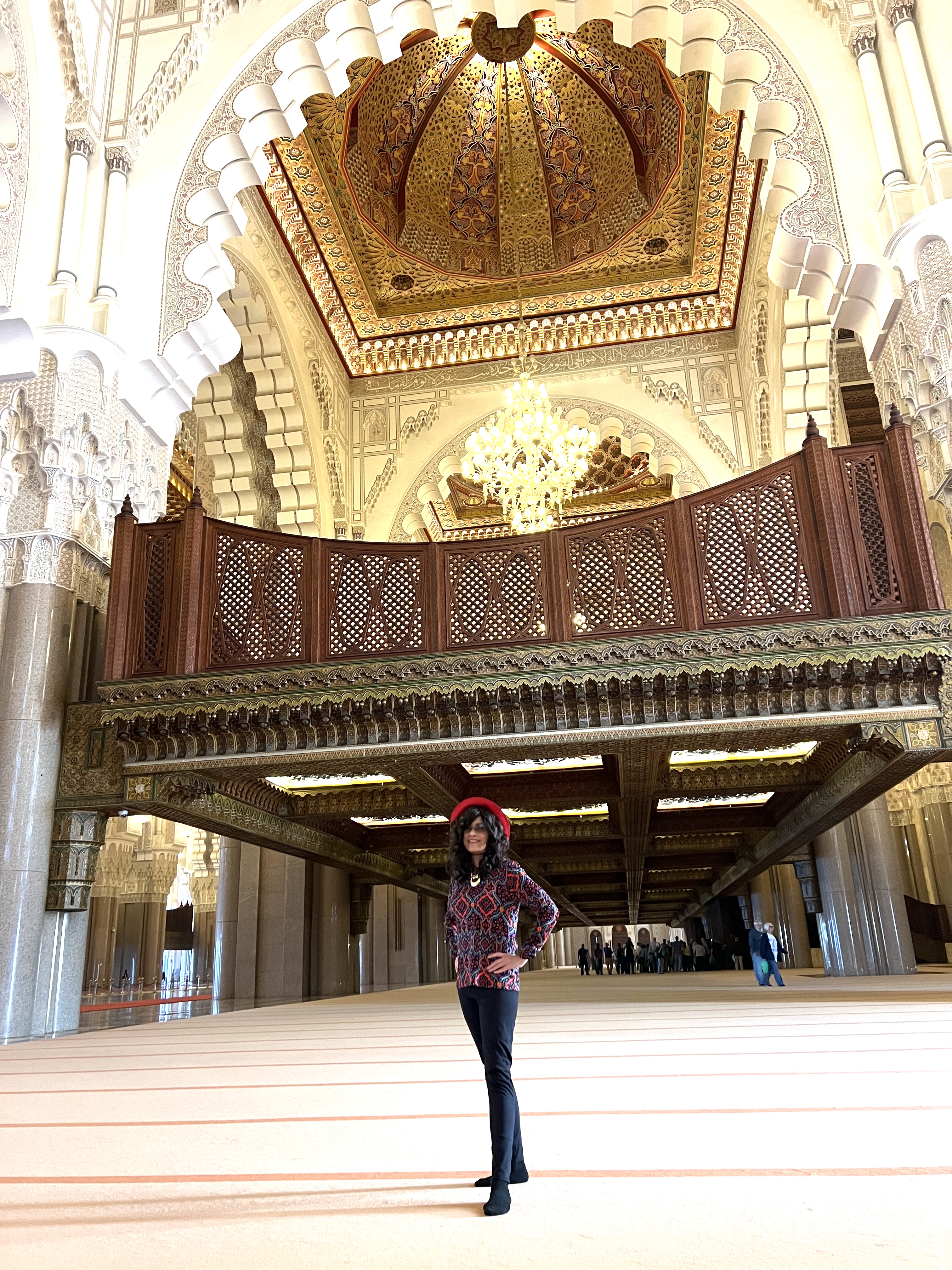
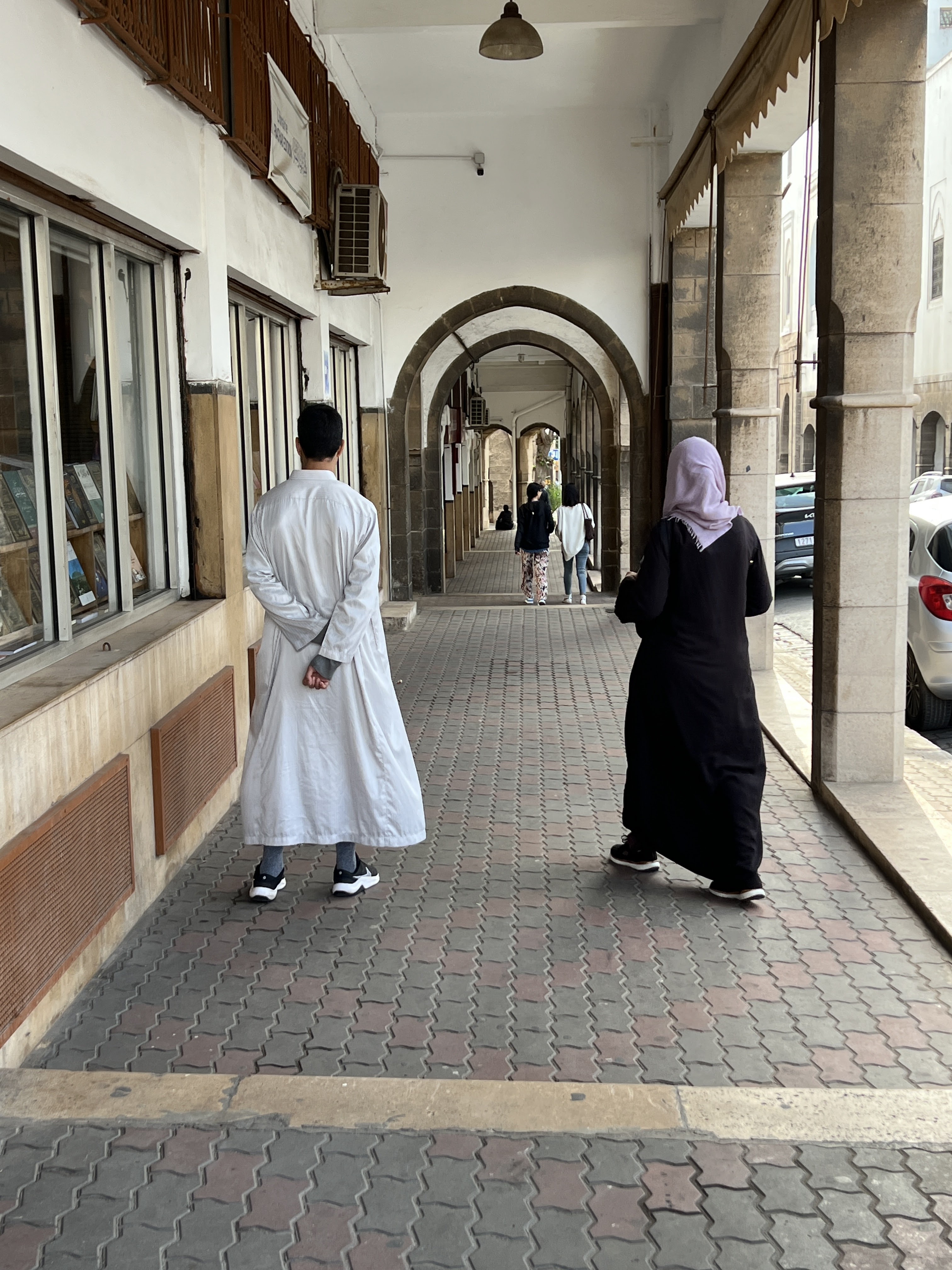
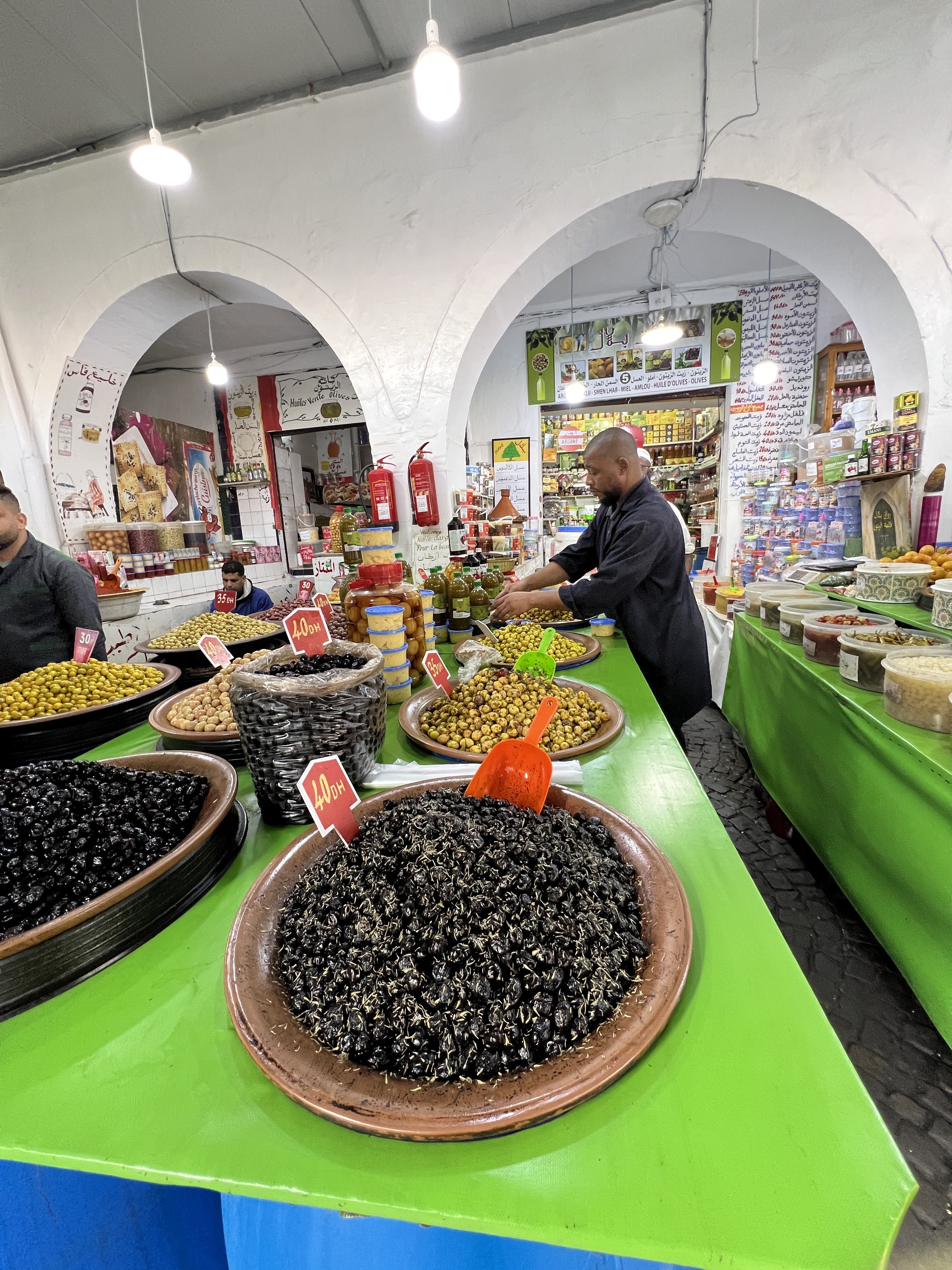
Casablanca is Morocco's largest city and a world-renowned center for trade. Visit the central market, home to hundreds of stalls brimming with locally grown vegetables, meats, seafood, as well as handicrafts. Continue to the new Medina of Casablanca and the Habous quarter with its Arab-Islamic architecture. You'll see the facade of the Royal Palace and cross the quarter and the colorful olive market on foot. Drive through the residential quarter of Anfa and your guide will point out the location of the Casablanca Conference held during World War II. The main highlight of Casablanca is the famous Hassan Il Mosque; stop here for an inside visit of this great architectural masterpiece.

This is the world's largest religious monument after Mecca and its minaret is the tallest. You'll have some free time at United Nations Square for more photo opportunities or even some shopping.


                          ————-—

Morocco stands out among African nations for its rich cultural heritage, diverse landscapes, and unique blend of influences from Africa, Europe, and the Middle East. What sets Morocco apart is its fusion of Berber, Arab, and European elements, creating a tapestry of traditions, languages, and cuisines.


Morocco is one of the few countries in the world where you can ski in the mountains and surf in the ocean on the same day.


One of the most distinctive aspects of Morocco is its geographical diversity, ranging from the rugged Atlas Mountains to the Sahara Desert and the picturesque coastline along the Atlantic Ocean and the Mediterranean Sea. This diversity contributes to Morocco’s allure as a tourist destination and provides a wealth of experiences for visitors.


Morocco’s historical ties with Europe, particularly France and Spain, have influenced its modern identity. French colonial rule left a lasting imprint on Morocco’s administrative systems, language, and architecture, while the country’s Muslim rulers preserved its Islamic heritage and traditions.


The French played a significant role in Morocco’s modernization and urban development, particularly in cities like Casablanca, where European-style boulevards and architecture coexist with traditional Moroccan neighborhoods. Muslim rulers throughout history have also shaped Morocco’s cultural landscape, leaving behind magnificent palaces, mosques, and medinas that reflect the country’s Islamic heritage.


Life in the big city of Casablanca is dynamic and cosmopolitan, with a thriving economy, bustling markets, and a vibrant cultural scene. The city is a melting pot of different cultures and influences, attracting people from all over Morocco and beyond seeking opportunities in business, education, and entertainment.


Aside from the visit to the grand mosque, the rest of today’s tour was quite different from the one I took on the Sky Princess last March.

Monday, December 2, 2024

Cartagena, Spain— two tours in one day!

 I finally did it! I took two shore excursions in one day!!!! Today, I visited intriguing Cartagena Spain!

Two shore excursions in one day:

walking tour and trolley train tour December 1, 2024.


Here is the brochure description of today’s walking tour:


Cartagena on Foot


Approx. Duration: 4 Hrs.

Join your local guide on a walking tour of this fascinating city, inhabited by several cultures since Carthaginian times which have left their mark on its artistic and maritime heritage.

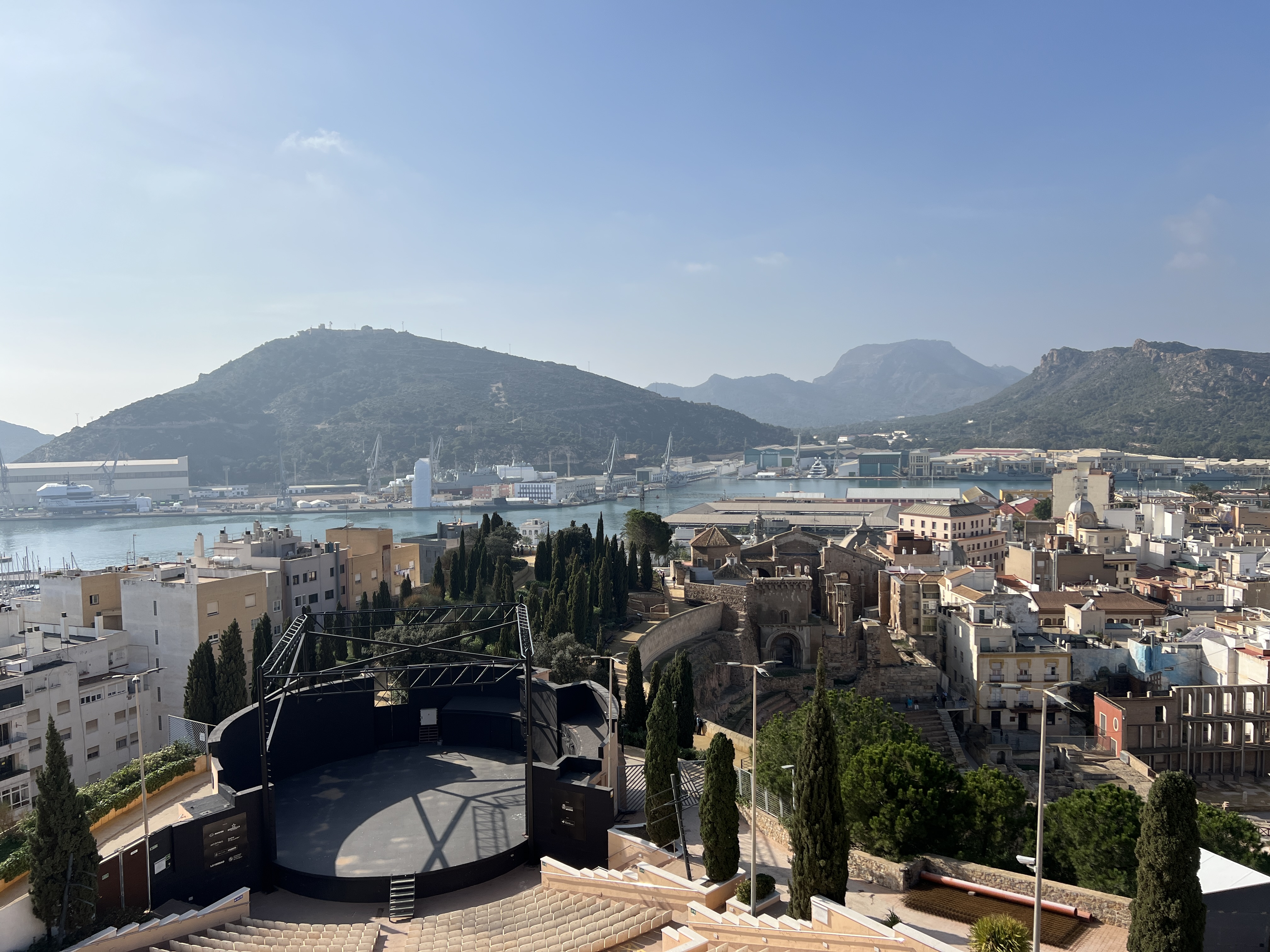
Follow your guide to the Panoramic Lift to the Castle of Conception, built over the remains of the Moorish Alcazar. From this vantage point, enjoy superb views of the city and harbor.

It was chosen as one of three main naval bases in Spain during the 18th century. The incredible remains of the Roman Theatre were only discovered back in the late 1980's, it is believed to have accommodated up to 7,000 spectators. 


Continue your walking tour in the heart of Cartagena and learn why it was a crossroad of cultures and one of the most important cities in the Mediterranean for nearly 3,000 years. 


In the old quarter you'll find several modernist town houses built between the second half of the 19th century and the first decades of the 20th century. The entrance to the city center, dominated by the Town Hall, is a gem of modernist architecture. 


Finally, we toured the fascinating Roman Theater Museum that allow visitors to explore these discoveries in depth, offering insight into Cartagena’s pivotal role in Mediterranean history.


On my trolley train tour later this afternoon, I revisited many of the sites that were included this morning and saw everything from a different perspective.


Here is the brochure description of the train trolley tour:


Cartagena By Trolley Train


Approx. Duration: 1 ½ Hrs.

See the highlights of Cartagena by trolley train, a delightful mode of transportation that will take you to historically important landmarks and a scenic park with breathtaking views.

After departing from the pier, you will enjoy an enlightening and wonderfully panoramic ride through Cartagena on a trolley train. The city dates back to 227 B.C... when the Carthaginians settled here. They chose the area because it was surrounded by five hills and somewhat easy to defend. Nevertheless, the Romans, Visgoths and Muslims all conquered Cartagena, until the heavily fortified Concepción Castle was built atop the highest of the hills. Considering the city's long history, there is plenty to see from the comfortables trolley train. The highlight from a historical standpoint is the ancient Roman theatre, which can seat up to 6,000 spectators. Since being restored in 2003, the theatre holds-performances once again. The building in ruins adjoining the theatre is Santa Maria Cathedral, which was heavily damaged in Spain's Civil War. Not far away, you will pass the mutts domed, exceptionally ornate town hall. Although beautiful now, the modernist building suffered considerable structural damage shortly after being built in 1907 because able s constructed on unstable land reclaimed from the sea. One of the most picturesque spots in Cartagena is Torres Park, where you will pause for photos.


Cartagena is renowned for its

archaeological treasures, which reflect its layered history. Some of the most significant finds include the Roman Theater, rediscovered in the late 20th century, and the Augusteum, an ancient temple dedicated to Emperor Augustus. Excavations have uncovered remnants from Punic, Roman, Byzantine, and Moorish periods, showcasing the city's continuous occupation and cultural evolution.


I walked more than 15,000 steps today!

Hotels, Not Airbnb

  Hotels, Not Airbnb In an age in which Airbnb has become almost synonymous with modern travel, my own preference remains decidedly old-fash...